
INDOOR AIR QUALITY
Keep The Air Fresh At Home
The air inside your home can affect your health as much as the air outside. Indoor air pollution is a hidden risk that can make you sick or, in serious cases, even lead to death. This page explains what to look out for, what actions you can take today, who should be especially concerned, and which pollutants matter most.
By following simple steps, you can help keep your home safe and healthy for everyone, especially if you or someone you care for has a long-term health condition.
If you have concerns or need help, speak to your healthcare provider.
For more information, check the Health Security Agency website, talk to your doctor or nurse, or download our leaflets (links at the bottom of the page).
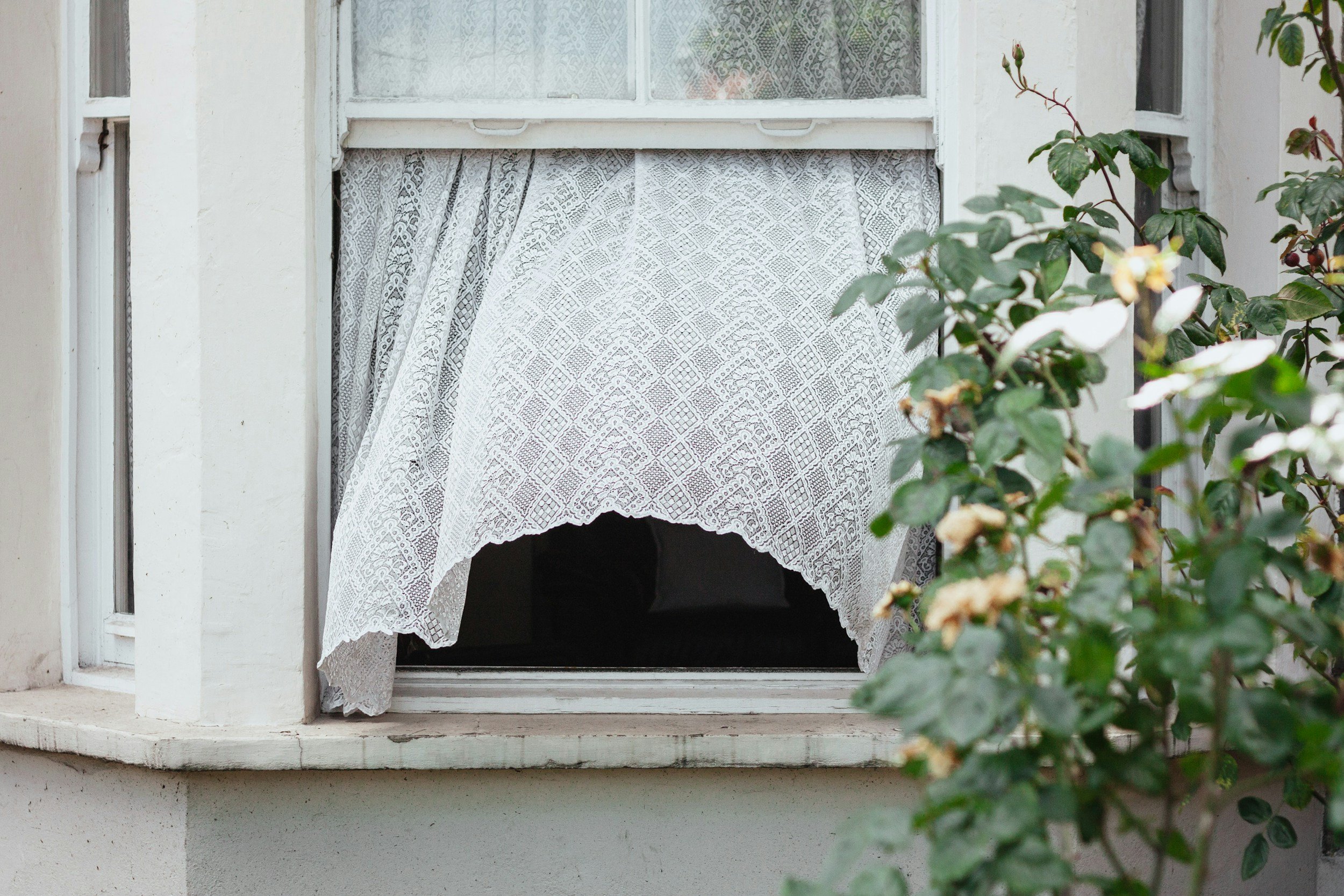

Things to Look Out For & Actions to Take
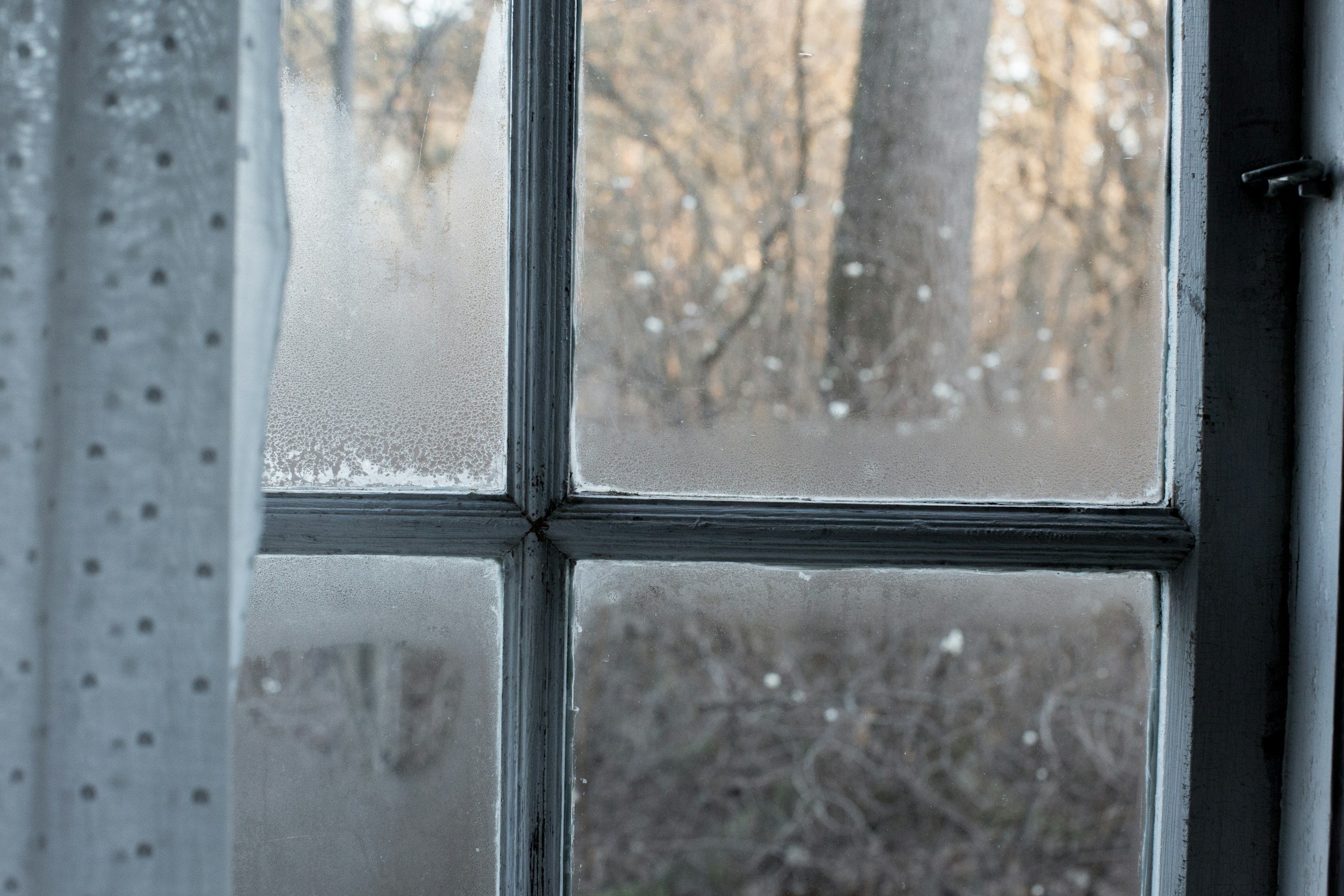
Condensation and high humidity
Water collecting on windows or walls causes damp, mould and dust mites.
Damp is caused by condensation and humidity. Reduce these by cooking and showering with extractor fans on and windows open when safe to do so. Cook and boil water with lids on. Dry clothes in well ventilated rooms or outdoors. Wipe off condensation on walls and windows. If condensation is present often and there are no simpler solutions, recommend using a humidity monitor and a dehumidifier as a temporary fix.

Black mould from damp
Mould is present everywhere, but in certain circumstances can grow and spread, this is linked to damp and humidity. Look for black spots on walls, ceilings, or around windows. Damp smells or condensation on windows are warning signs.
Wipe down windows and wall condensation. Cook with lids on and ventilate while cooking and advise those you care for to do the same. Use showers with door closed, windows open if safe, and extractor fans on. Advise those you care for of Awaab’s Law that requires landlords to investigate concerns.

Carbon monoxide (CO)
This invisible, odourless gas comes from faulty boilers, gas cookers, open fires, or other fuel-burning appliances.
Every home should have a carbon monoxide alarm. A digital alarm is recommended as health impacts can occur from 10ppm which is below an alarm level. The main symptoms are dizziness, nausea and persistent headaches. If symptoms are present, seek immediate medical help. Ensure that fuel-burning appliances—such as gas boilers, fires and cookers, wood-burning stoves, and open fires—are checked regularly by a certified professional. If a CO alarm sounds take immediate action, evacuate the property and call the 24 hour Gas Emergency Number on 0800 111 999 for safety advice.
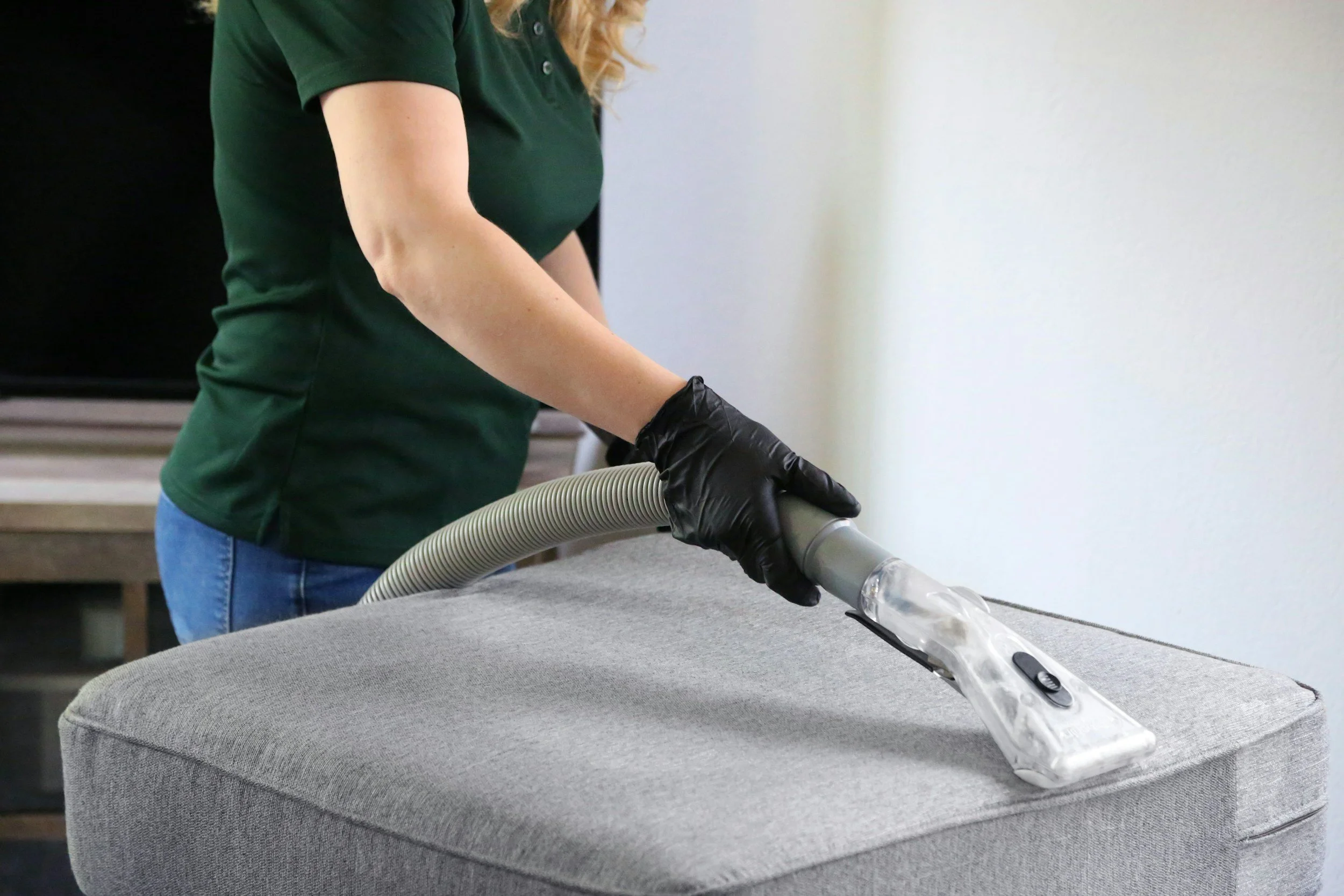
Dust mites and dust
Dust mites live in dust, especially unaired bedding, unvacuumed carpets and furnishings.
Change bedding frequently, hot tumble dry linens or wash at 60C. Use allergen barriers on pillows, mattresses and duvets that suppress, dust mites. Keep humidity down by airing bedrooms, beds and bedding when not in use. Leave bedding turned down to air the mattress. Vacuum carpets, especially with pets in the home. Dust mites live in dust. Keep dust down with regular vacuuming especially of carpets and when there are pets in the home. Ideally use HEPA filters in the vacuum cleaner. Dust with a damp cloth.

Cooking
Frying, grilling, or using gas hobs releases smoke particles into the air. Cooking and boiling water releases water vapour.
Always cook or boil water with ventilation, using cooker hoods and keeping lids on saucepans. Open windows if safe. Cook and shower with open windows, cooker hoods and exhaust fans on.
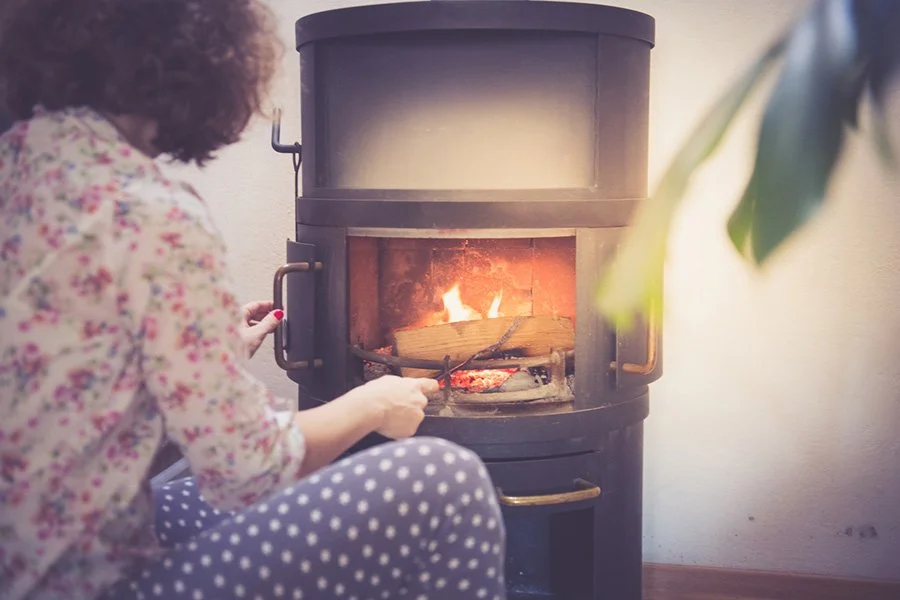
Burning anything indoors
This includes candles, incense, wood burning stoves, fireplaces, cooking etc. These all cause high levels of indoor pollution.
Discourage burning candles, incense, wood stoves or open fires, especially near the most vulnerable. If possible avoid using them entirely, as they make smoke that can cause serious illnesses.
Household chemicals
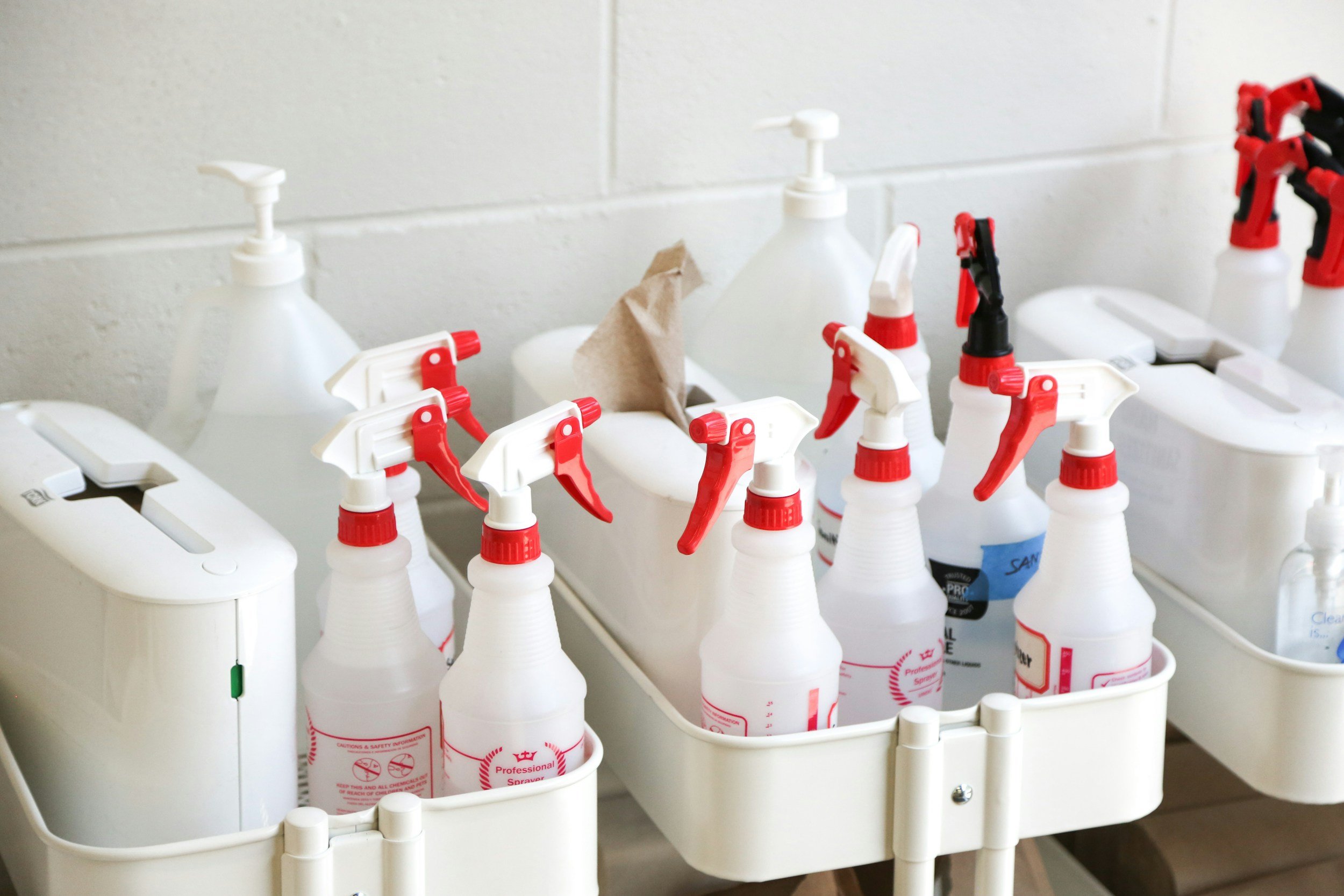
Cleaning sprays, air fresheners, and diffusers can release irritants.
Cleaning sprays, air fresheners, and diffusers can release chemicals that irritate the lungs, especially in people with asthma or allergies. Use with care and ventilation, avoiding diffusers. Store chemicals carefully and ensure that the containers are closed properly.
Poor ventilation
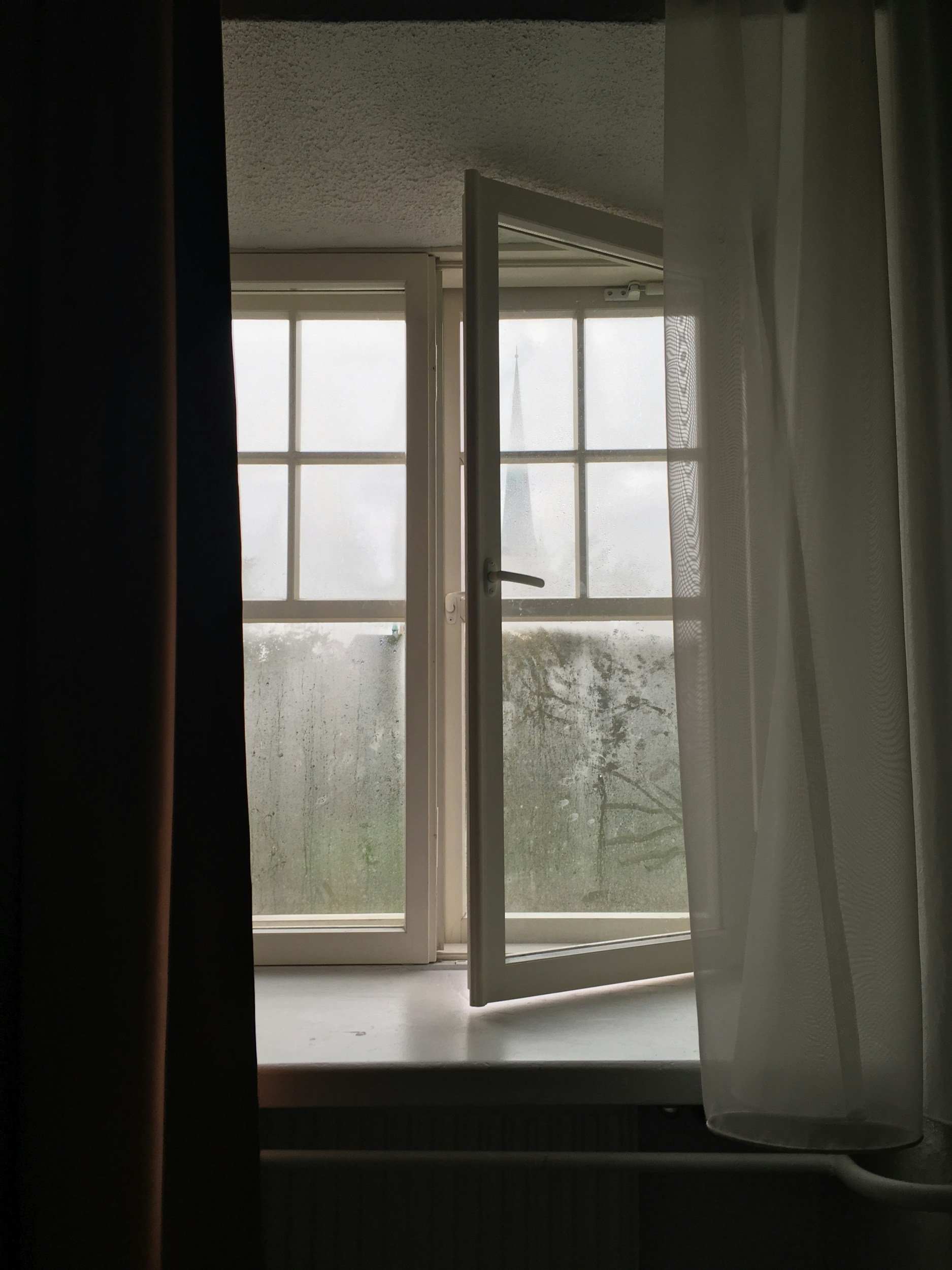
Stale, stuffy air means pollutants are building up inside.
Ensure rooms and the whole home are aired regularly. Open doors and windows when safe to do so, while avoiding making the home cold.
Who Should Be Concerned?
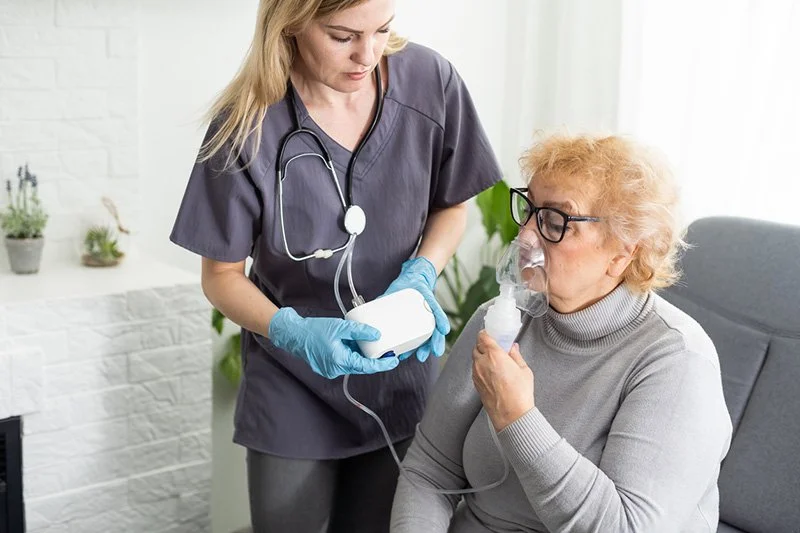
While everyone benefits from cleaner air, some people are at higher risk from indoor air pollution:
People with asthma, allergies, or other atopic conditions
Those with chronic lung diseases (COPD)
People with heart disease (CVD)
Immunocompromised individuals, including from cancer treatment
Older adults, children, expecting parents
People with anaemia
If you or someone you care for falls into one of these groups, it’s especially important to follow the steps highlighted.
Good ventilation is the simple solution. Fresh air fixes the problem. Open windows safely, every day.

Further Reading
EXTERNAL WEBSITES
You can find more information and local updates here:
NICE Guidance: Indoor Air Quality at Home Clinical guidance and visual summary on managing indoor air quality
UK Health Security Agency: Damp and Mould Health risks and management of damp and mould in homes
UK Health Security Agency: Carbon Monoxide Toxicology Toxicological information on carbon monoxide
Further reading and resources for medical professionals
-
-
NICE Clinical Knowledge Summary on Carbon monoxide poisoning
-
-
-
-
-
NICE Guidance collection on eczema