
HOW WE MEASURE AIR QUALITY
Local authorities measure air pollution to protect your health and check if air quality standards are being met.
This is known as air quality monitoring. If you live in an Air Quality Management Area, your council has a legal duty to measure certain air pollutants and report the results to you, this responsibility includes the Mayor of London and the Central Government.
Your council reports all monitoring results annually in an Annual Status Report. Quality checks ensure all measurements are accurate and reliable.
Councils use several types of monitoring to build up a complete picture of air quality across your borough.


High Quality Automatic Monitoring
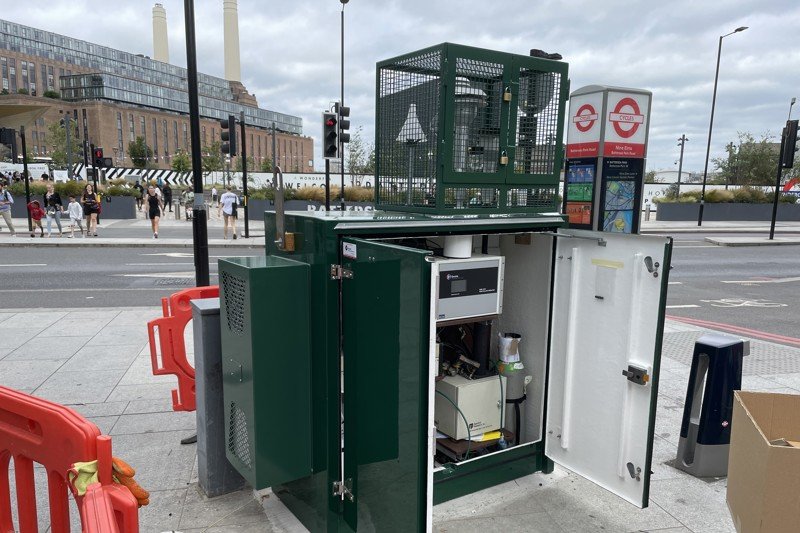
Automatic monitoring stations provide the most accurate air pollution measurements. These sophisticated instruments measure pollution levels every hour, 24 hours a day. Councils use the data to check if your area meets legal air quality standards.
Councils place automatic monitoring stations in two types of location. Some monitor long-term exposure to pollution in areas where a lot of people gather, like shopping streets and can show how air quality is improving over time. Others identify worst-case scenarios near main roads or factories. The stations are expensive to install and maintain. They need regular calibration and servicing by experts to ensure they work correctly.
The stations measure different pollutants using different methods. For nitrogen dioxide (NO₂), air samples react with ozone inside the monitor, creating fluorescence whose brightness shows the pollution level. For particulates (PM₂.₅ and PM₁₀), tiny weighing systems measure the mass of particles in the air. For ozone, ultraviolet light passes through air samples, and the amount absorbed shows the ozone level.
As automatic stations are expensive, councils can only afford to buy and maintain a few. In a typical London borough, there might be 3–5 automatic monitors, these stations also form a wider monitoring network across London. To understand air quality across the whole borough, councils need cheaper monitoring methods to provide more detail of pollution in the borough.

Low Cost NO2 Monitoring Using Diffusion Tubes
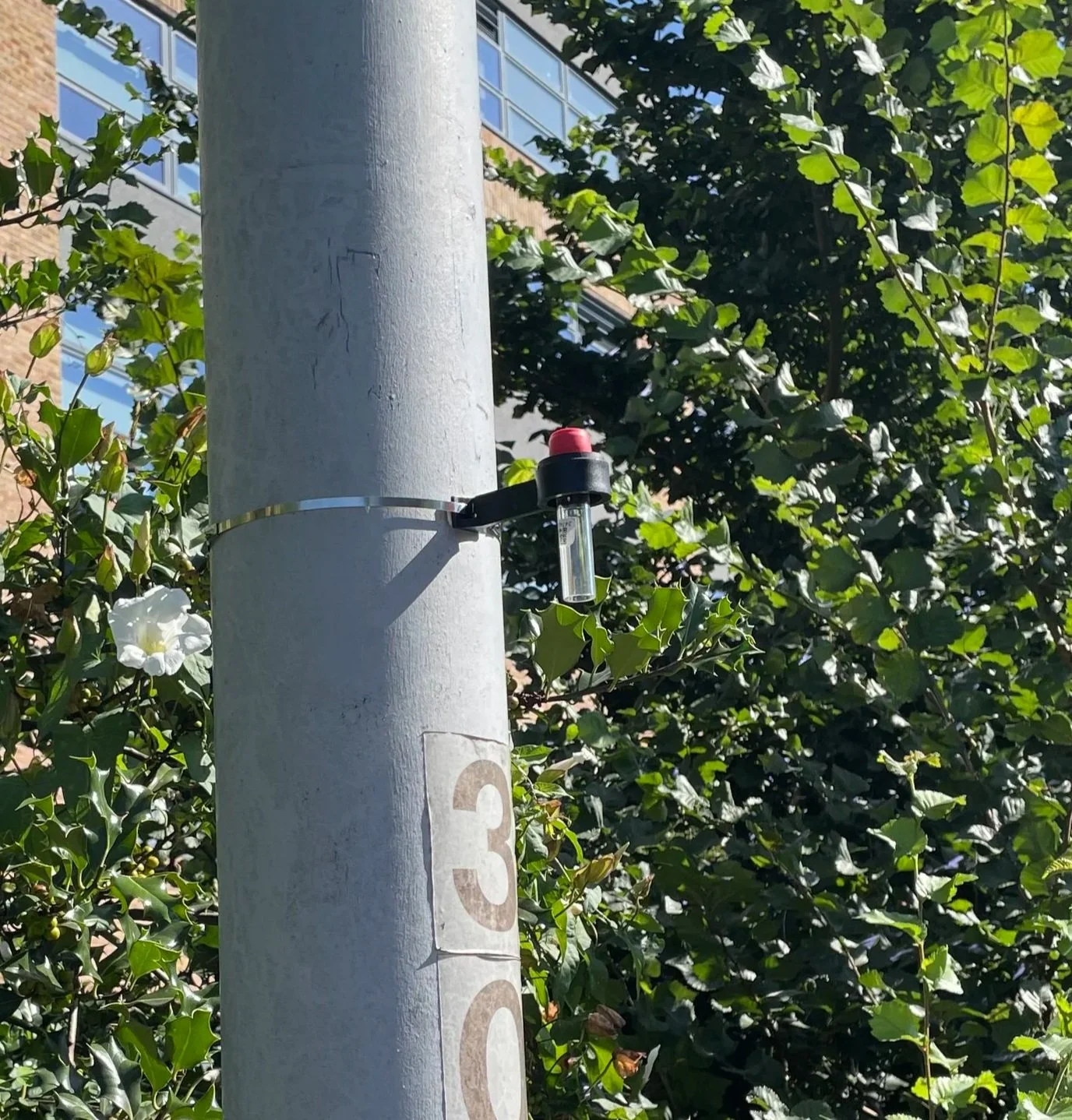
Diffusion tubes measure NO₂. They are cheap and don't need electricity, so councils use them to monitor air quality levels at many locations. This complements the accurate measurements from automatic monitors. Your council probably uses them at 40–100 sites or more.
While not as precise as an automatic monitor, diffusion tubes are reliable, so councils can use them to make regulatory decisions about air quality and see if your area meets legal air quality standards. Schools and residents also use them for citizen science projects. You might see them attached to lampposts or railings near you. If you do, please do not touch them.
How Diffusion Tubes Work
Councils attach the tubes vertically to lampposts, road signs or railings. Material in the tubes absorbs nitrogen dioxide from the air over a month. At the end of the month council staff take them down, replace them and send them to a laboratory for analysis. The laboratory measures how much nitrogen dioxide was absorbed during that period. Council staff repeat this process every month throughout the year at each site. This builds up a picture of NO₂ levels and tracks changes over time. This low-cost, reliable method only works for NO₂.

Lower-Cost Indicative Sensors
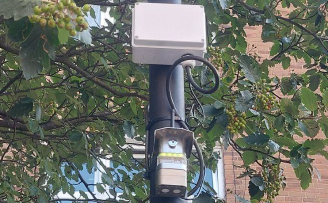
Monitoring technology is constantly improving with many companies offering innovative new low-cost devices to fill the gap between the automated stations and the diffusion tubes, especially to cover pollutants such as particulates and offer a real-time understanding of air quality.
Many councils use networks of lower-cost automatic sensors. These cost around one tenth the cost of high-accuracy automatic sensors, but 250 times more than diffusion tubes. These sensors measure PM₂.₅ and NO₂ in real time. Unfortunately, at present they can be affected by heat or damp and are less accurate or reliable than other methods. Because of this lower reliability they're currently described as 'indicative.'
Councils cannot use data from these systems alone for policy decisions. But the data is useful for public information, detecting trends and scientific analysis. These sensors fill a gap between expensive automatic monitors and diffusion tubes that need a lot of manual handling.

Portable Monitors for Site Visits or Emergencies
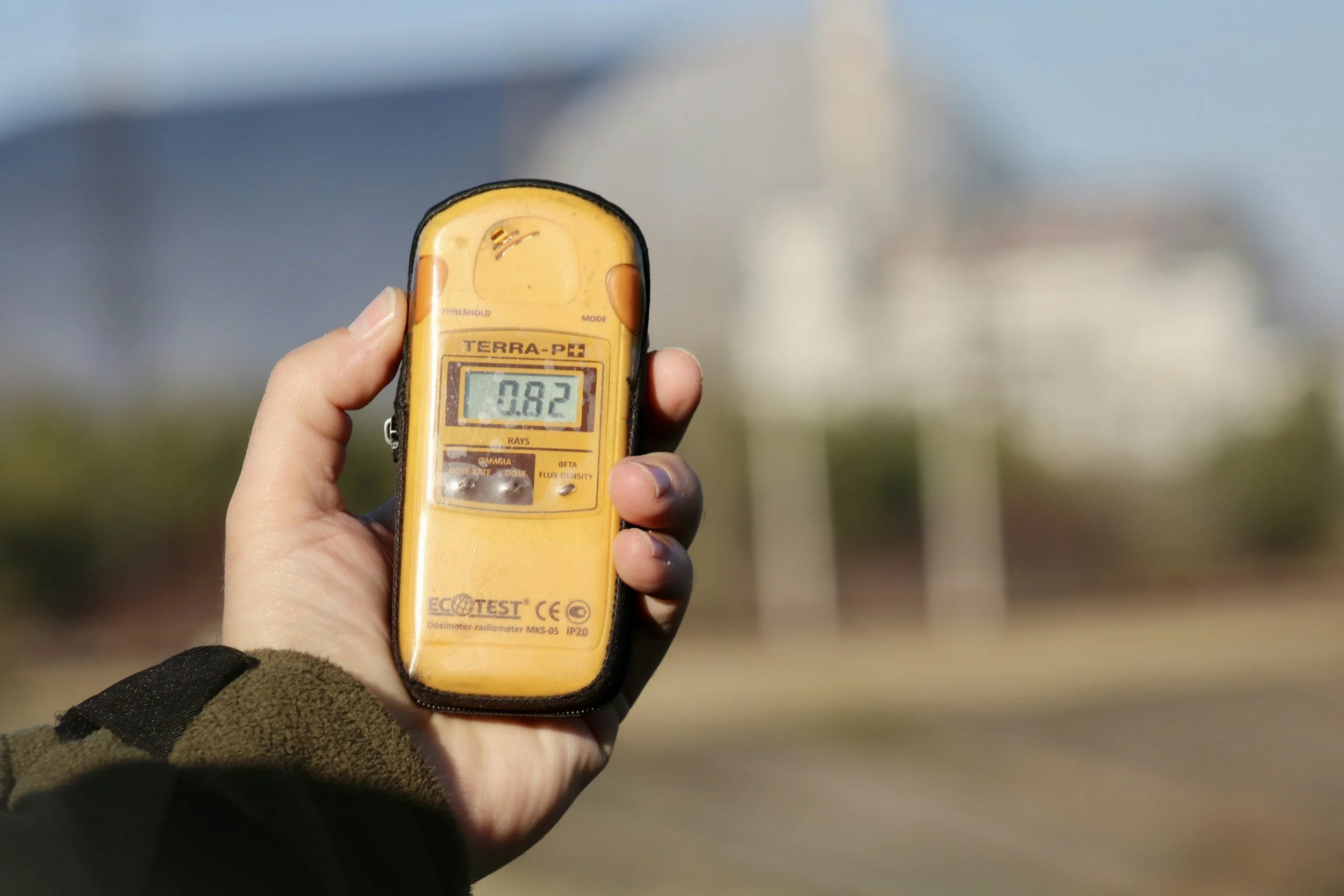
Many councils use handheld or portable monitors for investigating complaints, emergencies and site inspections. These can be brought to places of concern to check air pollution levels immediately. For example, during major fires or industrial incidents, portable monitors measure smoke and pollutants near the site and where necessary in the homes of residents. They help councils assess risks to nearby residents and advise on safety measures.
Portable monitors are expensive, but give quick results when needed. They are not normally built to be deployed in the environment and require a user present.
Ensuring Measurements Are Accurate
Monitoring needs to be accurate as councils use them to decide on policy, locations for action and to track air quality improvements. They can also be used to take action against businesses causing pollution. It’s important that each monitoring method goes through strict quality checks and that the people using these are well trained and competent.
Calibration of Automatic Monitors
External experts calibrate automatic monitors manually, usually twice per year. This ensures the monitors stay accurate. The method used varies with the equipment. The techniques used are specified in law and strictly controlled. Councils classify measurements as 'provisional' until the equipment has been calibrated. This process is called ratification. Only 'ratified' measurements are used for regulatory decisions.
Diffusion Tube Quality Checks
Environmental factors like temperature and humidity can affect diffusion tube measurements. To correct for this, councils undertake co-location studies. They place tubes alongside automatic monitors and compare results. This produces a 'bias adjustment factor'. Councils apply this factor to correct all their diffusion tube measurements. Most councils use a national adjustment factor based on data from across the country.
Laboratory Standards
The laboratories that analyse diffusion tubes must meet strict quality standards. They take part in independent assessment schemes called WASP (Workplace Analysis Scheme for Proficiency). This checks their work is accurate. The laboratories also analyse reference samples with known pollution levels. If their results don't match the known levels, they investigate and fix any problems.

Further Reading
EXTERNAL WEBSITES
You can find more information and local updates here: