
THE CHANGING FACE OF AIR QUALITY IN LONDON
UK air quality laws evolved from early smoke controls to modern pollutant limits. Key milestones include the Alkali Act, Public Health Acts, and the Clean Air Acts after the 1952 smog. Later, EU directives, the Environment Act 1995, and 2021 targets strengthened regulation and monitoring.
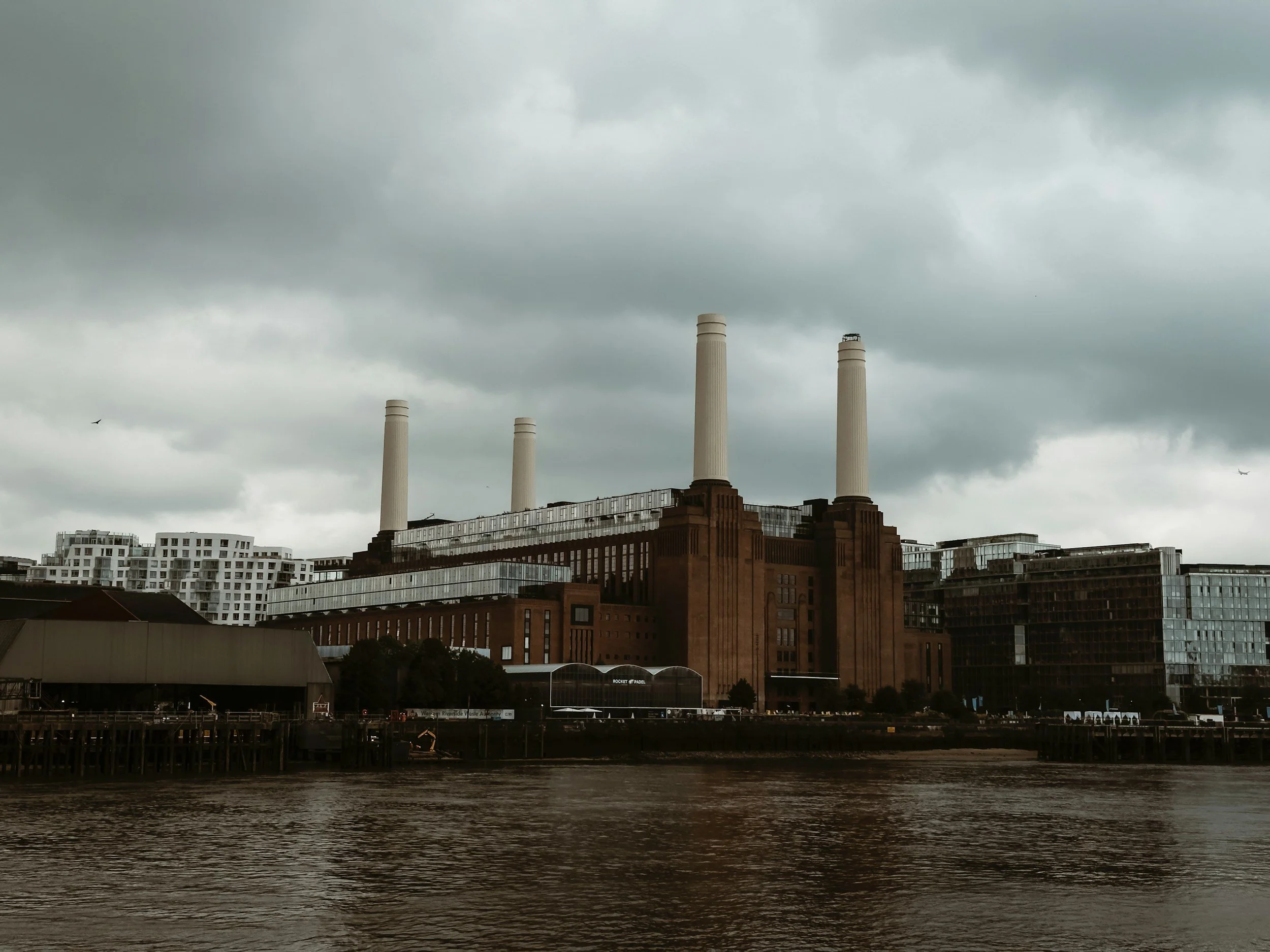
Early Industry and Air Quality
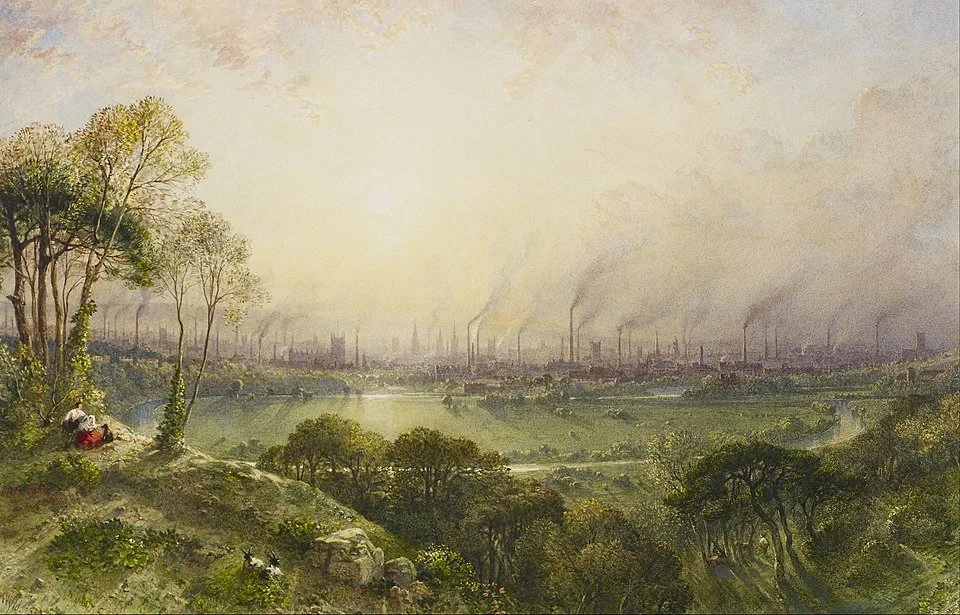
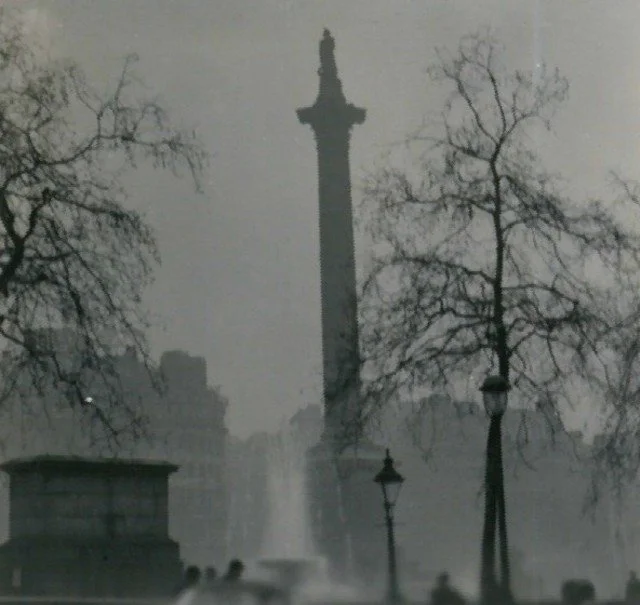
From the Industrial Revolution onwards, London's air quality deteriorated significantly as coal burning in homes, factories and power stations increased. By the late 19th century, dangerous levels of pollution were common, with both smoke pollution and sulphuric acid in the air from sulphur in coal. The famous "London Smogs", a combination of smoke and fog, became a regular feature of London life, causing respiratory problems and reduced visibility across the capital. These thick, yellow smogs are prominent in stories of the time like those of Sherlock Holmes, and became synonymous with the city itself.

The Great Smog and Clean Air Legislation
In December 1952, London experienced its worst air pollution episode when a severe smog lasted five days, killing approximately 4,000 people. Some estimates suggest up to 12,000 deaths occurred in the following months. This disaster led directly to the Clean Air Act 1956, which empowered local authorities to create smoke control areas. The subsequent replacement of coal fires with smokeless fuels and gas appliances transformed London's air, dramatically reducing sulphur dioxide and smoke concentrations. The improvement was visible: historic buildings blackened by decades of soot were cleaned to reveal their original pale stone. Lichens, indicators of clean air that had been absent since Victorian times, gradually returned to trees and monuments across the city.
Power Station Closures and New Challenges
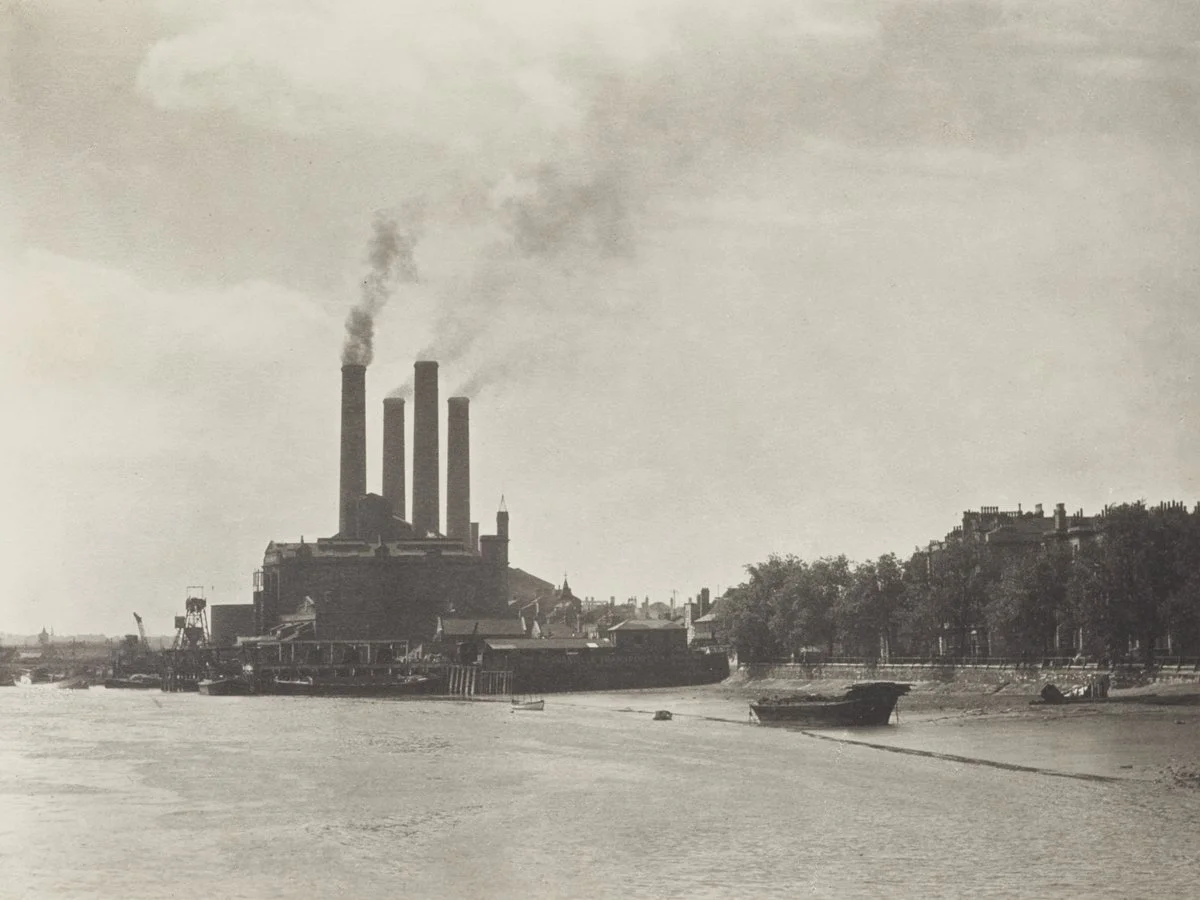
Major improvements continued through the closure of coal-fired power stations, including Bankside in 1981, and Battersea in 1983. While sulphur dioxide declined by over 95% between the 1960s and 1980s, vehicle emissions emerged as a new dominant concern. The Environment Act 1995 established a new framework for air quality management, shifting focus towards more local, smaller-scale sources of pollution.
Shifting Vehicle Pollution Concerns
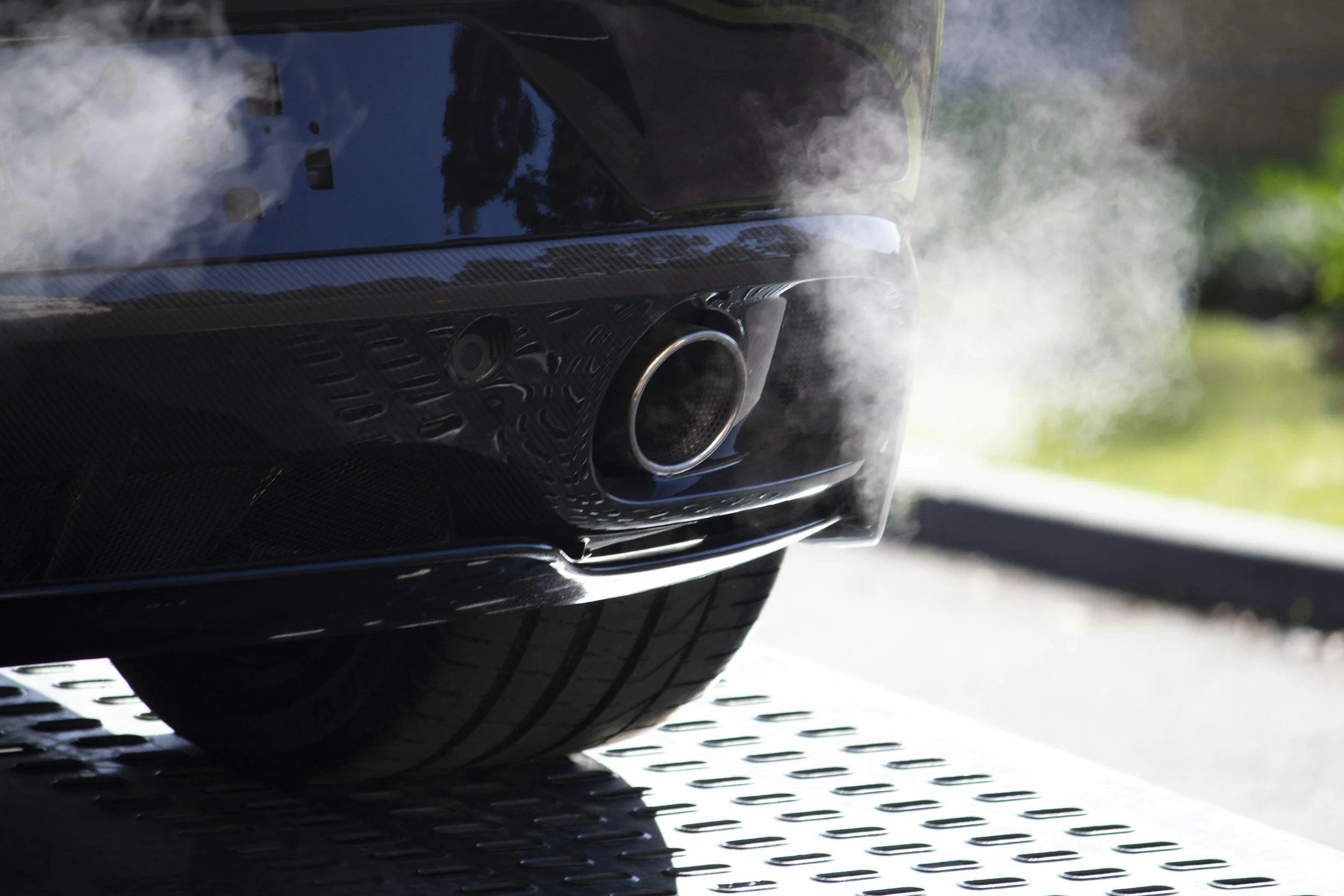
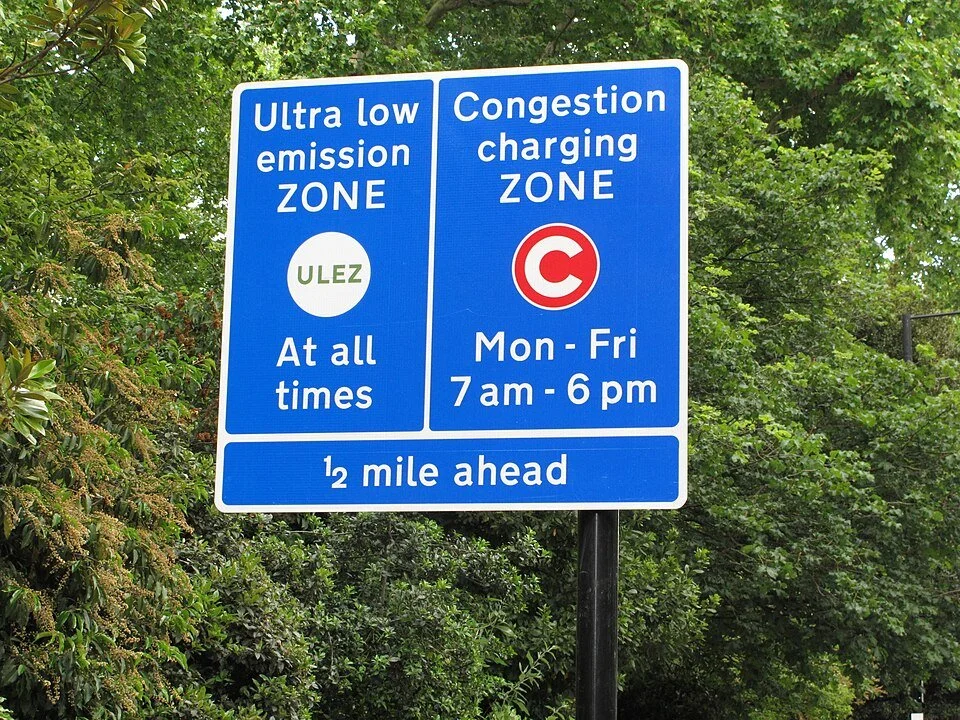
Initial concerns about vehicle emissions centred on lead in petrol and carbon monoxide, both of which declined substantially following the phase-out of leaded petrol in 2000 and improvements in engine technology. Attention then shifted to diesel vehicles, which, despite lower CO₂ emissions, produced higher levels of nitrogen dioxide (NO₂) and particulate matter (PM₁₀ and PM₂.₅) – a kind of fine dust caused by fuel combustion and friction. At a European level, the Euro emissions standards gradually tightened emissions from road vehicles. In 2008, the London Low Emission Zone (LEZ) was introduced for heavy vehicles, marking the first attempt in the world to use charging zones to improve air quality.
Modern Era and Ongoing Progress
Since the 2000s, local authorities and government agencies have established comprehensive monitoring networks to track pollution levels. Policies promoting walking, cycling and electric vehicles have contributed to measurable improvements. The introduction of London's Ultra Low Emission Zone (ULEZ) in 2019, later expanded, represented the latest major intervention to tackle vehicle emissions. Some parts of the capital now approach World Health Organization guideline levels for certain pollutants, close to the natural background levels. Despite significant progress, air pollution still contributes to an estimated 4,000 premature deaths annually in London. Current public health efforts concentrate on reducing exposure to PM₂.₅ and NO₂, pollutants now understood to cause serious cardiovascular and respiratory harm even at low concentrations, and on dealing with new areas of concern like wood burning.

Further Reading
EXTERNAL WEBSITES
You can find more information here: