
AIR QUALITY STANDARDS
Air quality standards set the maximum levels of pollution that should be allowed in the air we breathe, often in law.
While it is now well established that there is no safe level of air pollution, in practice it is impossible to reduce air pollution levels to zero. There is always some air pollution from natural sources like sea salt and it is impossible to remove all the human-made pollution from things like agriculture, road surfaces or construction. So councils and governments use health science-based standards to prioritise actions to minimise harm.
The UK Government sets air quality standards based on independent scientific advice. The main advisory body is the Committee on the Medical Effects of Air Pollutants (COMEAP). Many of the UK standards were set more than 20 years ago. But air pollution science evolves quickly, and new research constantly shows health effects at lower pollution levels than previously thought.
In London, the Mayor has delegated powers under air quality law as a regional authority. Local Authorities that have declared Air Quality Management Areas have legal duties to monitor and manage air quality locally and have in place what's called an Air Quality Action Plan.
The World Health Organization (WHO) also reviews global evidence and publishes air quality guidelines. In 2021, WHO updated their guidelines to reflect the wealth of new evidence about health harms from air pollution. These are much stricter than previous versions. They show that air pollution damages health at levels once considered safe, including within the objectives set by the UK Government.
As a result, more and more UK councils now follow WHO guidelines rather than UK standards, as they are a better reflection of the current scientific understanding of health risks


UK Air Quality Objectives
The UK government sets legal air quality standards called objectives. These are the average pollution levels that should not be exceeded over a certain period. However, UK standards for nitrogen dioxide and particulate matter were set over 30 years ago and are based on old and outdated scientific evidence.
Short-term standards use the average air pollution measured over 1 hour or 24 hours. They are used both to decide on policy actions and to trigger public alerts. They help protect you from pollution spikes that in a few hours can trigger asthma attacks, heart problems and hospital admissions. These spikes can come from human made sources like road traffic, or natural sources like dust from the Sahara Desert or forest fires.
Long-term standards limit the average pollution levels over a year, to protect you from long-term exposure. Breathing polluted air year after year increases your risk of many health disorders. In our cities the important long term pollution sources tend to come from things like traffic, heating systems and industry.
The main standards for the most harmful pollutants are:
Fine particulate matter (PM₂.₅)
Annual average: 10 µg/m³
Coarse particulate matter (PM₁₀)
Annual average: 40 µg/m³
24-hour average: 50 µg/m³ (not to be exceeded more than 35 times per year)
Nitrogen dioxide (NO₂)
Annual average: 40 µg/m³
1-hour average: 200 µg/m³ (not to be exceeded more than 18 times per year)
What does µg/m³ mean? Air pollution can harm health even in very tiny amounts. That’s why pollution is measured in micrograms per cubic meter, µg/m³. That is one millionth of a gram per cubic metre, or about 10,000 litres, of air.


WHO Air Quality Guidelines
The World Health Organization 2021 guidelines are stricter but take a progressive approach. WHO recommend achieving interim targets while working toward their strict final guideline levels, as shown in the table. This reflects the reality that it is hard to move directly from current pollution levels to WHO guideline levels all at once, without seriously disrupting people’s lives and livelihoods. The WHO guidelines are shown in the table.
You can see WHO guidelines are much stricter than the current UK standards. For PM2.5, the WHO annual guideline is 5 µg/m³ compared to the UK standard of 10 µg/m³. For NO2, WHO recommends 10 µg/m³ compared to the UK standard of 40 µg/m³. This is because new evidence shows health effects at these lower levels. Meeting WHO guidelines would significantly reduce deaths and illness from air pollution.
| Pollutant | Averaging time | Interim target 1 | Interim target 2 | Interim target 3 | Interim target 4 | WHO Guideline |
|---|---|---|---|---|---|---|
| PM₂.₅, µg/m³ | Year | 35 | 25 | 15 | 10 | 5 |
| 24-hour* | 75 | 50 | 37.5 | 25 | 15 | |
| PM₁₀, µg/m³ | Year | 70 | 50 | 30 | 20 | 15 |
| 24-hour* | 150 | 100 | 75 | 50 | 45 | |
| O₃, µg/m³ | Note † | 100 | 70 | – | – | 60 |
| 8-hour* | 160 | 120 | – | – | 100 | |
| NO₂, µg/m³ | Annual | 40 | 30 | 20 | – | 10 |
| 24-hour* | – | – | – | – | 25 |
* 99th percentile (i.e. 3–4 exceedance days per year).
† Average of daily maximum 8-hour mean O₃ concentration in the six consecutive months with the highest six-month running-average O₃ concentration.

London Specific Targets
The Mayor of London and some London boroughs have each adopted WHO based air quality interim targets as their local targets. They recognise that UK standards don't adequately protect public health. By working towards WHO guidelines, they aim to reduce health harms from air pollution sooner.
Mayor of London's target for PM₂.₅
Annual average: 10 µg/m³
London Borough of Richmond upon Thames target for NO₂
Annual average: 20 µg/m³
London Borough of Wandsworth targets
NO₂ Annual average: 30 µg/m³
PM₂.₅ Annual average: 10 µg/m³
Adopting the WHO approach shows commitment to protecting your health based on the best available science. However, achieving WHO guidelines is challenging. It requires changes like reducing or electrifying traffic, improving walking and cycling facilities and public transport, and retrofitting buildings. Many parts of London currently exceed WHO guidelines by large margins, so further action is needed.
Setting ambitious targets drives action. Councils working towards WHO guidelines take stronger measures than those only aiming for UK standards. This means faster improvements in air quality and greater health benefits for you and your family.
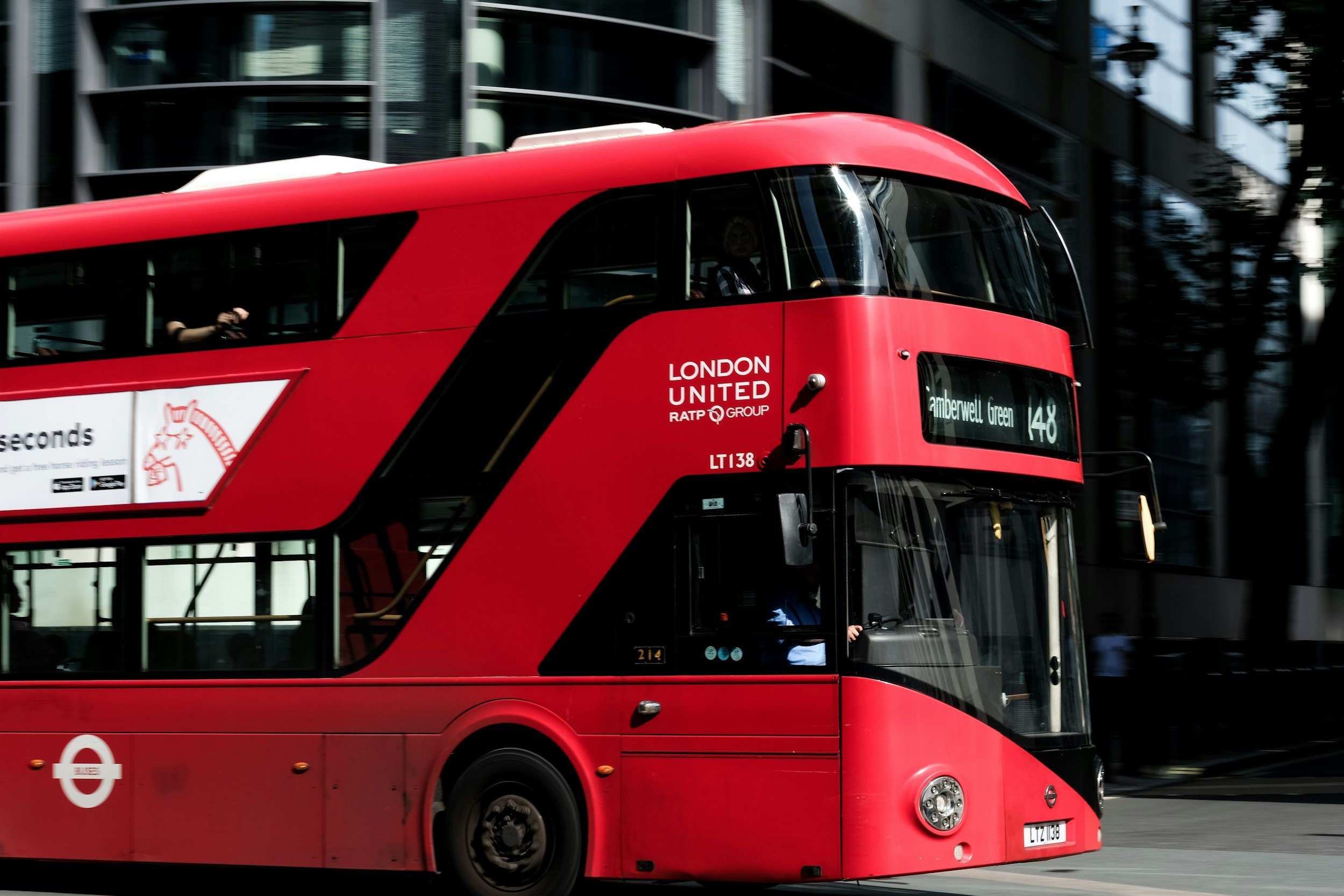
The WHO says there are no “safe” levels of air pollution. But in practice, it’s impossible to get to zero pollution due to natural pollutants. So many Council’s and the Mayor of London follow the WHO approach, reducing the targets, step-by-step to reduce harm to public health.

Further Reading
EXTERNAL WEBSITES
You can find more information and local updates here: